Many people reach their 50s and suddenly feel pulled toward creativity again — or for the first time. Life finally has a little more space. The pressure to “be good at something” fades. And the desire to learn, play, and reconnect with yourself grows stronger.
If you’ve ever thought, “I’m not creative,” you’re not alone — and you’re not correct. Creativity isn’t a talent some people are born with. It’s a skill. A muscle. And it can be strengthened at any age.
To understand why creativity shifts as we age, here’s a gentle guide that explains it clearly.
Below are seven creative hobbies that are gentle, low-pressure, and surprisingly rewarding — especially for adults in their 50s, 60s, and 70s who want something enjoyable without overwhelm.
For a bigger picture of daily habits that support brain health after 50, this guide brings everything together in one place.
1. Watercolor Painting
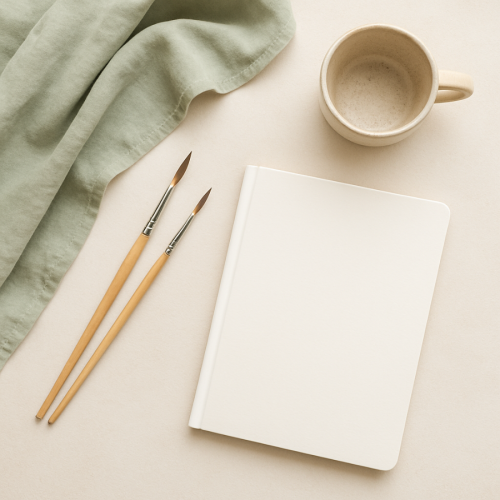
Watercolor is one of the easiest art forms to begin because it doesn’t require expensive supplies or formal training. The paint naturally creates soft textures and blends, which means you don’t need “perfect technique” to make something beautiful.
If you’d like a gentle art activity to try, here’s a simple beginner watercolor guide for adults over 50.”
Why it’s great for adults 50+:
- Relaxing and almost meditative
- Minimal mess
- Gentle on the hands
- Encourages slowing down and noticing details
Start simple with:
- A small set of watercolor paints
- Two brushes
- Watercolor paper
- A YouTube beginner tutorial
2. Hand Lettering
Hand lettering combines art and handwriting in a slow, intentional way. It’s not traditional calligraphy — it’s simply drawing letters creatively at your own pace. Even 5–10 minutes a day can feel calming and grounding.
Why it’s great:
- Improves focus and steadiness
- Easy to practice in short sessions
- Requires only a pen, paper, and patience
Try starting with:
Tracing alphabet sheets or writing a favorite quote using slow, intentional strokes.
3. Adult Coloring (Not the Trendy Kind — the Relaxing Kind)
Adult coloring books have improved dramatically in recent years. There are now designs specifically created for relaxation, mindfulness, and gentle focus — not intricate, stressful patterns.
Adult coloring works especially well for adults in their 50s and 60s because the motions are gentle and repetitive. It doesn’t require artistic training — just choosing colors you enjoy. Many people use it as a way to settle their mind before bed or unwind after a busy day.
Why it works:
- Zero pressure to “perform”
- Helps reduce mental clutter
- Encourages staying present
Tip: Choose books with larger spaces if your hands prefer a bit more comfort.
4. Simple Photography
You don’t need a fancy camera to enjoy photography. Your phone is enough. Start by noticing everyday things — morning light on your kitchen table, the shape of a leaf, or the texture of a blanket.
Photography is also a hobby that grows with you. As you get more comfortable, you can explore nature walks, still-life setups in your home, or simple phone editing apps to brighten your images. It’s endlessly flexible.
Why it’s perfect:
- Encourages getting outside and exploring
- Trains your eye to notice beauty
- No technical setup needed
Beginner challenge: Take one photo a day of something that brings you calm.
If you’d like help organizing the photos you take, here’s a simple guide for adults over 50.
5. Knitting or Crochet
Knitting and crochet are soothing, hand-based crafts that help reduce stress while giving you something cozy and meaningful to create. They’re also ideal for quiet evenings or peaceful mornings.
Why people love it after 50:
- Great for relaxing in the evenings
- Builds hand mobility
- Easy to learn through step-by-step videos
- Feels purposeful and productive
Start small:
A dishcloth or a simple scarf is the perfect first project.
6. Creative Journaling
Creative journaling blends writing, sketches, colors, and simple memory-keeping in a freeform, low-pressure way. It’s not scrapbooking — there are no rules, no layouts to perfect, and no need for artistic skill.
Many people begin with “10 minutes of memory-keeping,” jotting down a moment from the day or sketching a simple object nearby. The goal is expression, not perfection.
Benefits:
- Strengthens memory and reflection
- Encourages creativity without rules
- Helps with emotional clarity
Tips: Use stickers, washi tape, markers, or simple sketches — whatever feels comfortable and fun.
7. Beginner-Friendly Music Making
Many adults assume music is “too late” to learn. But it isn’t. Simple instruments like digital keyboards, tongue drums, or app-guided programs make it easy to explore sound without pressure.
Many adults start with a small 61-key digital keyboard, a tongue drum, or a simple handpan because the sound is soothing and easy to explore.
Why it’s wonderful:
- Boosts brain health
- Lifts mood instantly
- Builds coordination
- No previous experience required
A gentle starting point:
Try a small digital keyboard with beginner lessons or a simple music-making app that guides you through melodies.
How to Choose Your First Creative Hobby
Instead of asking, “What should I be good at?” try asking:
- What feels calming?
- What feels interesting?
- What feels doable for 10 minutes?
Your hobby doesn’t need to become a talent, a side job, or anything more than a moment of enjoyment. Creativity is simply a way to stay curious — and curiosity is one of the healthiest things you can carry into your 50s, 60s, and beyond.
Final Thoughts
Your creative life doesn’t have to be perfect. It just has to be yours. Begin with one small step — one line of paint, one photographed moment, one knitted stitch, or one page in your journal.
Creativity isn’t about skill. It’s about staying awake to the world around you — and to yourself.
Welcome to your next chapter.

Leave a Comment