

Hobbies are more than enjoyable pastimes — they are powerful tools for supporting memory and cognitive health as you get older. Whether you enjoy music, puzzles, painting, gardening, or learning new skills, hobbies help keep your brain active in meaningful ways.
Adults over 50 often find that engaging in simple, enjoyable hobbies makes everyday tasks feel easier, thinking clearer, and memory stronger.
If you’re noticing changes in memory after 50, this guide explains what’s normal, what’s common, and what can help.
Hobbies Strengthen Neural Pathways
Every time you learn something new or practice a familiar skill, your brain forms or strengthens neural connections. This is especially helpful after 50, when mental stimulation plays a major role in maintaining memory and cognitive flexibility.
Creative Activities Support Long-Term Memory
Hobbies like knitting, watercolor, journaling, or playing an instrument activate areas of the brain responsible for long-term memory. These activities require repetition, attention, and pattern recognition — all of which help keep your mind engaged.
If you’d like more ways to stay mentally active, here are easy creative challenges to try this year.
Hands-On Hobbies Keep Your Mind Focused
Activities such as puzzles, drawing, gardening, or building simple crafts require concentration and problem-solving. This helps strengthen your ability to focus, which is closely linked to better memory recall.
You can also add quick daily memory drills to strengthen the same brain regions — here are a few under-2-minute exercises.
Learning Something New Keeps Your Brain Active
Trying a new hobby — whether it’s piano, language learning, photography, or calligraphy — stimulates the brain more than repeating the same routine every day. New skills challenge your memory, attention, and coordination in positive ways.
Creativity itself shifts later in life — here’s a gentle explanation of why it feels different after 50.
Hobbies Reduce Stress, Which Improves Memory
High stress makes it harder to focus and remember details. Enjoyable hobbies help you relax, lower tension, and reset your mind. When stress decreases, memory often improves naturally.
Pairing your hobbies with a simple weekly rhythm can make them even more enjoyable — here’s a gentle routine guide made for adults over 50.
Simple Tools Make Hobby Time Easier
You don’t need complicated supplies. A few comfortable, beginner-friendly tools can help you enjoy your hobbies regularly:
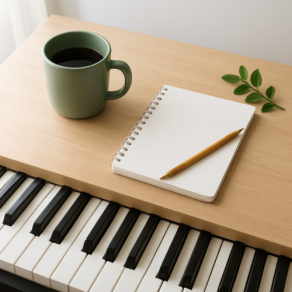
- a soft-cover notebook for ideas and progress notes
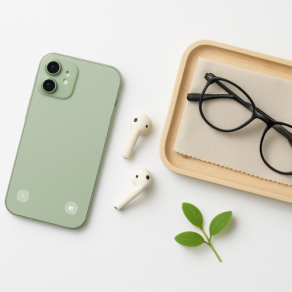
- comfortable over-ear headphones for music or tutorials
- a starter kit for your chosen hobby, such as knitting or watercolor
Start Small and Stay Consistent
You don’t need long sessions to benefit. Even a few minutes a day helps train your brain to stay active and engaged. Choose hobbies that feel enjoyable and low-pressure — the goal is gentle mental stimulation, not perfection.
Hobbies Help Your Brain Stay Sharp After 50
Whether you return to an old interest or try something new, hobbies support a healthier brain. They stimulate memory, encourage learning, reduce stress, and add meaningful enjoyment to your days.
Watercolor is one of the easiest creative hobbies to begin, and this beginner guide for adults over 50 walks through gentle techniques to get started.
Playing an instrument is especially good for memory — here’s how adults over 50 can start learning guitar easily.
If you’d like a calming way to support your week, here’s a simple guide to creating a small weekly ritual.
If you enjoy learning new hobbies, here’s why those skills also help protect your brain.
Leave a Comment