
• Skip to primary navigation
  • Skip to main content
  • Skip to footer

  • Homepage
  • Explore Topics
    • Home Organization
    • Music & Language Learning
    • Creative Hobbies
    • Tech Confidence
    • Brain & Memory Health
    • Purpose & Community
    • Sleep & Stress
  • About
  • Blog
  • Contact
The Evergrown
The Evergrown

The Evergrown

Grow Your Next Chapter

  • Homepage
  • Explore Topics
    • Home Organization
    • Music & Language Learning
    • Creative Hobbies
    • Tech Confidence
    • Brain & Memory Health
    • Purpose & Community
    • Sleep & Stress
  • About
  • Blog
  • Contact
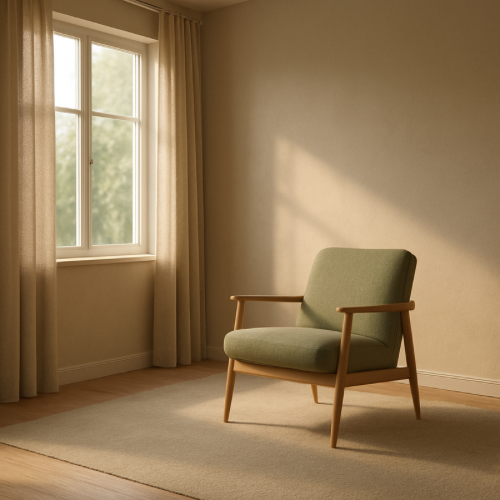
Calm interior photo of an empty living room with a single chair near a window, soft late-afternoon light casting gentle shadows, neutral beige and muted green tones, minimalist composition, peaceful and quiet atmosphere, no people, no objects in use, no text.

Why Quiet Time Feels More Necessary Than It Used To

By The Evergrown | January 9, 2026

Many adults notice that they need more quiet time than they once did. Noise, interruptions, and constant input feel more draining, and silence becomes something to seek rather than avoid.

This change is common and reflects how attention and mental energy shift over time.

The Brain Handles Stimulation Differently

As the brain ages, it becomes less tolerant of constant stimulation.

Background noise, overlapping conversations, and notifications require more effort to filter out.

Mental Energy Is Used More Selectively

Attention becomes more deliberate with experience.

Rather than spreading energy widely, the brain prefers fewer inputs and clearer focus.

Noise Increases Cognitive Load

Even when ignored, noise still consumes mental resources.

Quiet environments reduce that background load, making thinking feel easier and steadier.

Recovery Time Becomes More Important

Quiet time allows the brain to reset between periods of engagement.

This recovery supports clarity and emotional balance.

This Is Not Withdrawal

Needing quiet does not mean becoming antisocial or disengaged.

It often reflects a desire to preserve energy for meaningful interactions.

A Helpful Perspective

Quiet time becomes more valuable when life feels mentally full.

Clarity note: Seeking silence is often a sign of self-regulation, not avoidance.

Previous PostWhy Writing Things Down Helps You Think More Clearly
Next PostWhy Learning Feels Easier When You Focus on One Skill at a Time

Footer

Home · About · Contact · Privacy Policy · Terms of Use

Creative Hobbies · Music & Language · Tech Confidence · Brain & Memory Health · Purpose & Community

© 2025 The Evergrown. All rights reserved.

© 2026 · The Evergrown · All Rights Reserved